Thinking about Oracle ERP Cloud implementation? You’re not alone. Thousands of enterprises are making the leap to the cloud for better agility, scalability, and performance. But how do you ensure your journey is smooth, efficient, and delivers real value? Let’s dive into the ultimate roadmap.
[ez-toc]




1. Understanding Oracle ERP Cloud Implementation: What It Really Means

Oracle ERP Cloud is more than just a software upgrade—it’s a strategic transformation. At its core, Oracle ERP Cloud implementation involves migrating your organization’s financial, procurement, project management, and other enterprise resource planning functions to Oracle’s cloud-based platform. This shift enables real-time data access, automation, and integration across departments.
What Is Oracle ERP Cloud?
Oracle ERP Cloud is a comprehensive suite of enterprise applications delivered as a Software-as-a-Service (SaaS) solution. It includes modules like Financials, Procurement, Project Management, Risk Management, and Enterprise Performance Management (EPM). Unlike traditional on-premise ERP systems, Oracle ERP Cloud is hosted in Oracle’s secure data centers, updated automatically, and accessible from anywhere via the internet.
According to Oracle’s official site, Oracle ERP Cloud is designed to help organizations drive digital transformation by simplifying processes, improving decision-making, and reducing IT overhead.
Key Components of Oracle ERP Cloud
- Financials: General ledger, accounts payable/receivable, financial reporting, and tax management.
- Procurement: Sourcing, purchasing, supplier management, and invoicing.
- Project Portfolio Management (PPM): Project planning, resource allocation, and cost tracking.
- Risk Management: Compliance, internal controls, and audit management.
- Enterprise Performance Management (EPM): Planning, budgeting, forecasting, and financial close.
“Oracle ERP Cloud is not just about technology—it’s about reimagining how your business operates.” — Oracle Corporation
Why Move to the Cloud?
Traditional ERP systems often require massive upfront investments, long deployment cycles, and ongoing maintenance. Oracle ERP Cloud eliminates much of that burden. With cloud-based deployment, organizations benefit from faster time-to-value, reduced infrastructure costs, and automatic updates that ensure they’re always on the latest version.
Moreover, cloud ERP supports remote work, global scalability, and seamless integration with other cloud services like HR, CRM, and analytics platforms. This makes Oracle ERP Cloud implementation a strategic move for companies aiming to stay competitive in a digital-first world.
2. The Strategic Importance of Oracle ERP Cloud Implementation
Oracle ERP Cloud implementation isn’t just an IT project—it’s a business transformation initiative. When done right, it can streamline operations, improve data visibility, and empower decision-makers with real-time insights. But its success depends on how well it aligns with your organization’s strategic goals.
Driving Digital Transformation
Digital transformation is no longer optional. Companies that fail to modernize risk falling behind. Oracle ERP Cloud implementation plays a pivotal role in this journey by replacing legacy systems with a modern, intelligent platform. It enables automation of routine tasks, reduces manual errors, and accelerates financial close processes.
For example, a global manufacturing company using Oracle ERP Cloud reduced its month-end close from 10 days to just 3 days. This wasn’t just about speed—it was about freeing up finance teams to focus on analysis and strategy rather than data entry.
Improving Operational Efficiency
One of the biggest benefits of Oracle ERP Cloud implementation is operational efficiency. By standardizing processes across departments and geographies, organizations can eliminate redundancies and reduce cycle times.
- Automated invoice processing reduces procurement lead times.
- Real-time financial reporting improves cash flow management.
- Integrated project costing ensures accurate budget tracking.
A study by Nucleus Research found that companies using cloud ERP achieve a 20% higher return on investment (ROI) compared to on-premise systems. This is largely due to lower IT costs and faster deployment.
Enabling Data-Driven Decision Making
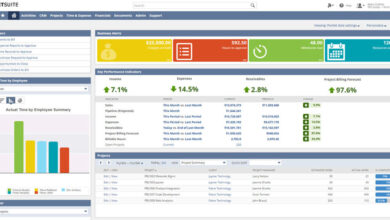
Oracle ERP Cloud comes with built-in analytics and AI-powered insights. During implementation, organizations gain access to dashboards that show key performance indicators (KPIs) in real time. This allows executives to make informed decisions quickly.
For instance, a retail chain implemented Oracle ERP Cloud and used its analytics tools to identify underperforming stores, optimize inventory levels, and improve supplier negotiations—all based on real-time data.
3. Pre-Implementation Planning: Laying the Foundation for Success
Oracle ERP Cloud implementation begins long before any technical work starts. The pre-implementation phase is critical for setting the right expectations, defining goals, and preparing the organization for change.
Defining Business Objectives
Before selecting a vendor or signing a contract, organizations must clearly define what they want to achieve. Common objectives include:
- Reducing operational costs by 15-20%.
- Improving financial reporting accuracy.
- Enhancing compliance with regulatory standards.
- Supporting global expansion with multi-currency and multi-language capabilities.
These objectives should be specific, measurable, and aligned with the company’s overall strategy. Without clear goals, the implementation risks becoming a technology exercise with little business impact.
Assessing Current Systems and Processes
A thorough assessment of existing ERP systems, business processes, and data quality is essential. This includes:
- Mapping current workflows (e.g., procure-to-pay, order-to-cash).
- Identifying pain points and inefficiencies.
- Evaluating data integrity and migration readiness.
- Understanding customization levels in legacy systems.
This assessment helps determine the scope of the Oracle ERP Cloud implementation and whether a ‘lift-and-shift’ approach or a process reengineering strategy is needed.
Building the Implementation Team
Success depends on having the right people in place. A typical Oracle ERP Cloud implementation team includes:
- Project Sponsor: Usually a C-level executive who champions the project.
- Project Manager: Oversees timelines, budgets, and deliverables.
- Functional Leads: Experts in finance, procurement, HR, etc.
- Technical Team: Handles integration, data migration, and security.
- Change Management Lead: Manages training and user adoption.
External consultants or Oracle partners can also be brought in to provide expertise, especially for complex configurations or industry-specific requirements.
4. The Oracle ERP Cloud Implementation Methodology: A Step-by-Step Guide
Oracle provides a structured implementation methodology called Oracle Unified Method (OUM), which is designed to guide organizations through every phase of the Oracle ERP Cloud implementation process. This methodology ensures consistency, reduces risk, and improves outcomes.
Phase 1: Envision
The Envision phase sets the stage. It involves high-level planning, stakeholder alignment, and defining the project’s vision. Key activities include:
- Conducting executive workshops to align on goals.
- Defining the project scope and success criteria.
- Selecting the implementation partner or internal team.
- Creating a high-level timeline and budget.
This phase typically lasts 2-4 weeks and results in a formal project charter.
Phase 2: Prepare
In the Prepare phase, the team lays the groundwork for execution. This includes:
- Setting up the cloud environment (test, staging, production).
- Configuring user roles and security policies.
- Finalizing the implementation roadmap.
- Conducting initial training for super users.
Oracle provides a Implementation Guide that details best practices for each step.
Phase 3: Realize
This is the core implementation phase where configuration, data migration, and integration take place. Activities include:
- Configuring financial charts of accounts, ledgers, and tax rules.
- Migrating master data (customers, suppliers, items) and transactional data.
- Integrating with other systems (e.g., HR, CRM, payroll).
- Customizing workflows and approval processes.
The Realize phase can take 3-6 months depending on complexity. Regular testing and user feedback are critical to ensure alignment with business needs.
Phase 4: Deploy
The Deploy phase involves final testing, training, and go-live. Key steps include:
- Conducting end-to-end user acceptance testing (UAT).
- Training end users through workshops and e-learning modules.
- Executing the cutover plan (data freeze, final migration, system switch).
- Going live with post-go-live support.
A well-executed deployment minimizes downtime and ensures a smooth transition.
Phase 5: Operate
After go-live, the focus shifts to stabilization and optimization. This includes:
- Monitoring system performance and user issues.
- Providing ongoing support and troubleshooting.
- Collecting feedback for continuous improvement.
- Planning for future enhancements and upgrades.
Oracle ERP Cloud is updated quarterly, so organizations must be ready to adapt to new features and changes.
5. Common Challenges in Oracle ERP Cloud Implementation (And How to Overcome Them)
Despite its benefits, Oracle ERP Cloud implementation is not without challenges. Being aware of these pitfalls early can help organizations avoid costly delays and rework.
Data Migration Complexity
Migrating data from legacy systems is one of the most challenging aspects. Issues include data duplication, inconsistent formats, and missing values. To overcome this:
- Conduct a data quality audit before migration.
- Use Oracle’s Data Migration Workbench or third-party ETL tools.
- Perform incremental data loads and validate results at each stage.
“Poor data quality can derail an ERP implementation faster than any technical issue.” — Gartner Research
User Resistance and Change Management
Employees often resist new systems due to fear of change or lack of understanding. To drive adoption:
- Involve users early in the design process.
- Provide role-based training and ongoing support.
- Communicate the benefits clearly (e.g., less manual work, faster approvals).
A global pharmaceutical company reduced user resistance by creating a “super user” network that acted as internal champions during their Oracle ERP Cloud implementation.
Integration with Existing Systems
Many organizations have custom applications or third-party systems that must integrate with Oracle ERP Cloud. Challenges include API limitations, data synchronization, and security.
Solutions include:
- Using Oracle Integration Cloud (OIC) for seamless connectivity.
- Designing middleware layers for complex integrations.
- Testing integrations thoroughly in a sandbox environment.
6. Best Practices for a Successful Oracle ERP Cloud Implementation
Following industry best practices can significantly increase the chances of a successful Oracle ERP Cloud implementation. These practices are drawn from real-world case studies and expert recommendations.
Start with a Clear Vision and Executive Sponsorship
Top-down support is crucial. Without executive sponsorship, projects often lose momentum. The sponsor should be actively involved, remove roadblocks, and communicate the vision across the organization.
Adopt a Phased Approach
Rather than a big-bang rollout, consider a phased implementation. Start with a pilot module (e.g., Financials) in one business unit, learn from it, and then expand. This reduces risk and allows for course correction.
Invest in Change Management
Technology is only half the battle. People are the other half. A dedicated change management strategy—including communication, training, and feedback loops—ensures smoother adoption.
Leverage Oracle’s Resources and Partners
Oracle offers a wealth of resources, including:
- My Oracle Support (MOS) for technical assistance.
- Oracle University for training and certifications.
- A global network of implementation partners with industry expertise.
Partnering with an experienced Oracle consultant can accelerate implementation and avoid common mistakes.
7. Measuring Success: KPIs and Post-Implementation Review
After go-live, it’s essential to measure the success of your Oracle ERP Cloud implementation. This helps validate the investment and identify areas for improvement.
Key Performance Indicators (KPIs)
Common KPIs to track include:
- System Uptime: Target 99.5% or higher.
- User Adoption Rate: Percentage of employees actively using the system.
- Process Cycle Time: Reduction in invoice processing, month-end close, etc.
- Cost Savings: Reduction in IT maintenance, licensing, and operational costs.
- Data Accuracy: Reduction in errors and rework.
Conducting a Post-Implementation Review
A formal review should be conducted 3-6 months after go-live. This includes:
- Gathering feedback from users and stakeholders.
- Assessing whether business objectives were met.
- Identifying lessons learned for future projects.
- Planning for continuous improvement and optimization.
Organizations that conduct regular reviews are more likely to achieve long-term success with Oracle ERP Cloud implementation.
Continuous Improvement and Upgrades
Oracle ERP Cloud is not a one-time project. It’s an ongoing journey. Oracle releases quarterly updates with new features, security patches, and performance improvements. Organizations should:
- Stay informed about upcoming changes.
- Test updates in a sandbox environment.
- Train users on new functionalities.
- Align upgrades with business priorities.
By treating Oracle ERP Cloud implementation as a continuous improvement process, companies can maximize ROI and stay ahead of the curve.
What is Oracle ERP Cloud implementation?
Oracle ERP Cloud implementation is the process of deploying Oracle’s cloud-based enterprise resource planning system within an organization. It involves configuring financial, procurement, project, and risk management modules, migrating data, integrating with other systems, and training users to ensure a successful transition from legacy systems to the cloud.
How long does Oracle ERP Cloud implementation take?
The duration varies based on complexity, but typically ranges from 3 to 9 months. Small to mid-sized organizations may complete it in 3-6 months, while large enterprises with complex processes and global operations may take 6-9 months or longer.
What are the main benefits of Oracle ERP Cloud implementation?
Key benefits include faster financial close, improved data accuracy, reduced IT costs, enhanced compliance, real-time analytics, and support for digital transformation. It also enables scalability and remote access, making it ideal for growing and distributed organizations.
What role does change management play in Oracle ERP Cloud implementation?
Change management is critical to user adoption and long-term success. It involves communicating the benefits of the new system, providing training, addressing resistance, and involving employees in the process. Without effective change management, even technically sound implementations can fail.
Can Oracle ERP Cloud be integrated with other systems?
Yes, Oracle ERP Cloud can be integrated with a wide range of systems using Oracle Integration Cloud (OIC), APIs, and middleware. Common integrations include HR systems (like Oracle HCM Cloud), CRM platforms, payroll providers, and legacy databases.
Oracle ERP Cloud implementation is a powerful step toward digital transformation. By understanding the process, planning strategically, and following best practices, organizations can unlock significant value. From improved efficiency to better decision-making, the benefits are clear. The key is to approach it not just as a technology upgrade, but as a business transformation that requires leadership, collaboration, and continuous improvement.
Further Reading: